
Cast Iron Tables in Government and Institutional Settings: Built for Legacy, Duty, and Daily Use
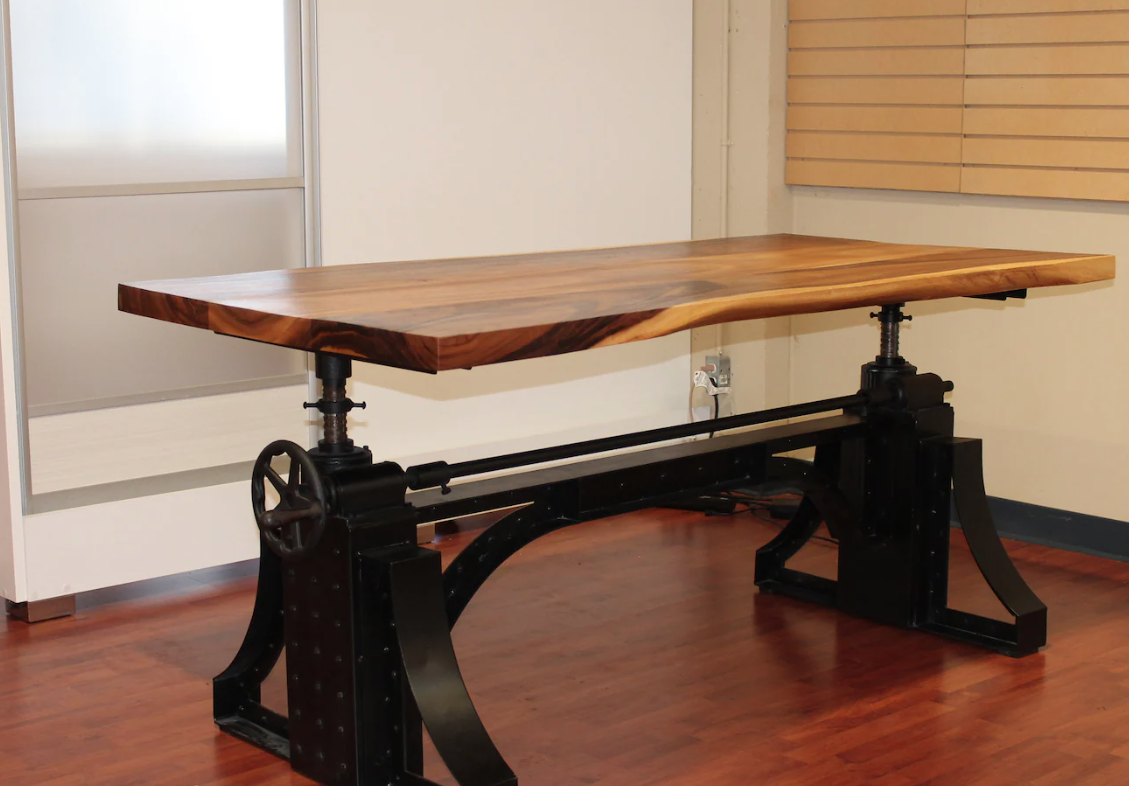
Some spaces are designed for endurance—not just in structure but in purpose. Cast Iron Tables in Government buildings such as courthouses, public libraries, municipal offices, and educational institutions serve generations of citizens and students. These places aren’t outfitted for fashion—they’re built for public trust, safety, and continuity.
Every fixture must be resilient, reliable, and responsible. And when it comes to furniture—especially tables—the demands go far beyond the aesthetic. The pieces must withstand constant use, meet strict standards, align with the space’s architectural identity, and deliver long-term value. That’s exactly why cast iron tables have long held a place in governmental and institutional environments.
These aren’t just tables—they’re fixtures. In some cases, they’ve stood in place for decades, quietly serving the public without fanfare or failure. Their strength is visible. Their design, unobtrusive. And their presence, often taken for granted—until you realize they’ve outlasted nearly everything around them. In an era where disposability is common, cast iron tables represent the opposite: permanence, performance, and purpose.
Let’s explore why cast iron tables continue to be the top choice in public and institutional settings, and how they support everything from civic engagement and education to public safety and historical preservation.
Cast Iron Tables in Government: A Foundation of Strength and Stability for Public Service
Government buildings operate with a different mandate than commercial spaces. Their furniture is not just used—it’s relied upon. Day in and day out, tables in these settings serve hundreds, sometimes thousands of users. Whether it’s a taxpayer filling out forms in a city office, a research student studying in a library, or a panel of officials conducting a public meeting, the table must support the activity without complaint. It must be sturdy, dignified, and dependable.
Cast iron tables check all of those boxes. Their weight alone offers a sense of gravitas. They don’t shift when nudged. They don’t tip when leaned on. And they don’t squeak, shake, or sag. This immovable quality makes them ideal for environments that demand both formality and function. In public offices, where accessibility and safety are paramount, that stability isn’t just appreciated—it’s essential. It prevents accidents, supports individuals with mobility needs, and ensures that furniture remains in place exactly where it should be.
Beyond the physical support, cast iron tables lend a sense of institutional permanence. A heavy, well-crafted table in a courtroom or city hall doesn’t just serve a purpose—it signals that the work being done there matters. It anchors the space, both visually and symbolically. It says: this place is meant to last.
Cast Iron Tables in Government: Designed for Decades of Daily Use
In institutional settings, durability isn’t optional—it’s a mandate. Furniture budgets are often constrained by public oversight, grant limitations, or annual cycles that prioritize low maintenance over rapid replacement. That means when a table is purchased for a library, school, or municipal building, it needs to last—not for a year or two, but often for decades.
Cast Iron Tables in government excel in this context. Unlike tables made from particleboard, laminate, or tubular steel, cast iron bases and components don’t wear out from repeated contact. They don’t weaken at joints or loosen at fasteners. The surfaces don’t warp with humidity or crack from temperature shifts. The integrity of the table remains intact, even after thousands of hours of use.
In libraries and educational institutions, tables often support more than books. They carry laptops, lamps, charging stations, and other devices. They’re leaned on by hundreds of users each week, cleaned frequently, and sometimes moved or reconfigured during renovations. Cast iron bases remain level and strong through all of it. They create a consistent, dependable workspace that never gets in the way—yet always delivers when needed.
In schools, where safety standards are high and user behavior can be unpredictable, cast iron tables reduce risk. Their mass makes them harder to tip, and their solid construction prevents breakage that could lead to sharp edges or hardware failures. In high school science labs or university art studios, where heavy materials and rough use are common, cast iron tables offer an ideal balance of resilience and professional-grade quality.
Compatibility with Historic Preservation and Modern Design with Cast Iron Tables in Government
One of the unique challenges of furnishing governmental buildings is navigating the intersection of historical preservation and modern functionality. Many government structures, especially those constructed in the late 19th and early 20th centuries, are historically significant and may be protected under local or national preservation guidelines. The furniture installed in these spaces must align with the original character of the architecture—without sacrificing performance.
Cast iron tables offer an elegant solution. Their classical forms, including scrollwork, pedestal bases, and traditional motifs, allow them to blend seamlessly into restored or preserved interiors. At the same time, their inherent strength and customizability mean they can meet the demands of modern usage. For instance, a conference table in a restored council chamber might feature a vintage-style cast iron base with integrated cable management for modern microphones and charging hubs. In this way, cast iron bridges the gap between past and present—preserving aesthetic authenticity while delivering modern utility.
In newer buildings or institutional expansions, cast iron tables can take on a more streamlined, contemporary form. Powder-coated finishes, geometric bases, and clean silhouettes make them suitable for LEED-certified facilities, tech-equipped classrooms, and forward-looking civic spaces. Whether the goal is to blend in or stand out, cast iron adapts with confidence.
Cast Iron Tables in Government: Safe, Secure, and Compliant by Design
Safety in public spaces is a priority that goes beyond durability. Tables in governmental and institutional settings must also meet accessibility requirements, fire codes, and often, security specifications. Cast iron’s properties make it uniquely suited to these challenges.
First, it’s inherently fire-resistant. Unlike wood or composite materials, cast iron does not ignite, smolder, or off-gas when exposed to heat or flame. This makes it a preferred choice in environments where fire safety codes require non-combustible fixtures, such as courthouses, emergency operation centers, and certain administrative buildings.
Second, its weight serves as a built-in security feature. In spaces where tampering, vandalism, or theft might be a concern—such as city halls, probation offices, or community resource centers—cast iron tables are difficult to move or dismantle without tools. This reduces risk and improves asset protection, especially when furniture must remain in designated areas without being bolted down.
Third, cast iron tables can be configured to meet ADA standards and other regulatory guidelines. Height requirements, clear floor space allowances, and reach zones can all be addressed through customized designs or adjustable components. The result is inclusive, accessible furniture that fits both the letter and the spirit of public service.
Cast Iron Tables in Government: A Workhorse for Meeting Rooms and Civic Spaces
Not all government work happens at a desk. City councils, school boards, community development commissions, and countless other civic bodies meet regularly around tables to discuss, debate, and decide. These rooms are often highly visible to the public, sometimes televised or recorded, and always central to the work of democracy. The tables at the heart of these spaces carry both symbolic and functional weight.
Cast iron tables bring the presence and professionalism these rooms demand. Their stability means microphones, nameplates, laptops, and stacks of documents stay put, even when the conversation gets heated. Their classic aesthetic reinforces the authority and structure of the space. And their configurability allows for both fixed and modular setups, depending on the room’s size and use case.
In town halls, these tables might be arranged in a horseshoe shape for accessibility and visibility. In courthouse conference rooms, they may be paired with high-back seating and privacy dividers. In voting centers or polling locations, temporary cast iron setups ensure stable infrastructure during elections. Whatever the configuration, the goal is the same: to provide a dependable, dignified platform for civic engagement.
Long-Term Value and Responsible Procurement with Cast Iron Tables in Government
Public institutions are often held to high standards of accountability in purchasing and budgeting. That means every dollar spent on furniture must be justified not just by appearance, but by performance and longevity. Cast iron tables deliver an exceptionally strong return on investment.
Because they last for decades with minimal maintenance, cast iron tables reduce the total cost of ownership dramatically. There’s no need for constant replacements, no recurring repair bills, and no worry about failing finishes. If a tabletop needs refreshing, it can often be swapped out while the cast iron base remains intact. And if tables are ever relocated, they can be reinstalled and reused without degradation.
This durability aligns with growing expectations for sustainability in public procurement. Many municipalities and school districts now prioritize long-lasting, recyclable materials as part of their environmental goals. Cast iron fits this profile perfectly. It is fully recyclable, energy-efficient in production compared to synthetic materials, and requires no chemical treatments to stay intact over time.
For procurement officers, facilities managers, and elected officials, choosing cast iron tables is a statement of fiscal responsibility and environmental awareness—two values that resonate strongly with the communities these institutions serve.
The Civic Strength of Cast Iron Tables in Government
In a world that too often builds for the short term, cast iron tables are a quiet but powerful statement. They say, “We’re here to serve—today, tomorrow, and for years to come.” Their strength is both physical and symbolic. They represent steadiness in service. Permanence in place. And trust in the quality of infrastructure that supports public life.
From libraries and lecture halls to city chambers and public offices, cast iron tables carry the weight of their environments with dignity and grace. They ask for very little—occasional cleaning, a stable floor—and give back tenfold in performance, resilience, and visual confidence.
That’s what makes them more than furniture. In governmental and institutional settings, cast iron tables become part of the architecture of trust—a strong, silent partner in the public good.
Get In Touch to Learn More About Our Cast Iron Tables
Cast Iron Tables Contact Information

Call us
602.821.7340

Email Us

Store Hours
Monday - Friday
8 AM – 6 PM Eastern

Visit us
53 Old Farm Road
Stowe, VT 05672
Cast Iron Tables
Discover the perfect blend of enduring strength and refined elegance with our cast iron tables. Each piece is meticulously crafted to deliver unmatched durability, ensuring your table stands strong for years to come.
The timeless appeal of cast iron brings a touch of sophistication to any space, while the intricate designs and flawless finishes highlight the artistry behind every table.
Elevate your home or workspace with furniture that not only captivates with its beauty but also promises unwavering quality and resilience.
Store Location
53 Old Farm Road
Stowe, VT 05672
Open Monday - Friday
8 AM - 6 PM Eastern