
Specialized and Emerging Applications of Cast Iron Tables: Evolving Strength for Modern Spaces
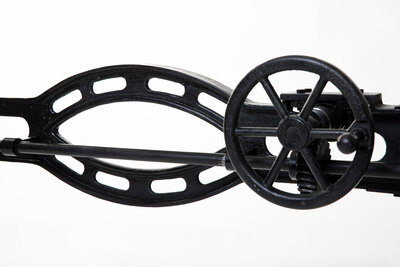
For centuries, cast iron tables have stood as symbols of strength and permanence. Traditionally found in workshops, restaurants, and civic buildings, they’ve earned their reputation for durability in environments where stability and longevity matter most. But today, specialized applications of Cast Iron Tables are often overlooked.
Far from being relics of the past, they’re now at the forefront of innovation—appearing in emerging use cases, outdoor installations, and hybrid environments where function meets technology and sustainability.
Today’s cast iron tables are doing more than just holding up tabletops. They’re helping cities create more livable outdoor spaces. They’re enabling workplaces to integrate smart technology. They’re supporting green building practices and contributing to circular economies.
These aren’t just tables anymore—they’re tools for progress. Let’s take a closer look at how cast iron is stepping confidently into the future with new applications that span architecture, urban planning, product design, and digital infrastructure.
Applications of Cast Iron Tables: Expanding into the Outdoors – Public Spaces That Last
One of the fastest-growing applications of cast iron tables is in outdoor and urban environments. Municipal planners, developers, and landscape architects are increasingly turning to cast iron as a material of choice for furnishing public plazas, patios, greenways, and recreational facilities. The reason is simple: cast iron doesn’t quit. It endures year-round exposure to weather without falling apart or becoming unsafe.
Unlike aluminum or plastic furnishings that can fade, crack, or warp from UV exposure and fluctuating temperatures, cast iron is remarkably stable. Powder-coated finishes protect it from rust and corrosion, and its inherent weight makes it highly resistant to wind displacement or vandalism. This makes cast iron tables ideal for use in unsupervised or high-traffic public areas—places like sidewalk cafés, transit stations, rooftop gardens, and public markets.
Outdoor tables also face physical demands that go beyond aesthetics. In playgrounds and community centers, tables are used by families for picnics, games, and gatherings. They may be sat on, stood on, or leaned against by multiple people at once. In city parks and dog-friendly patios, tables endure everything from bike locks to muddy boots. Cast iron doesn’t just survive in these conditions—it thrives.
Designs for these spaces are evolving as well. Today, it’s not uncommon to see cast iron tables integrated with concrete bases or paired with sustainably harvested wood slats. Some feature attached benches, umbrella ports, or in-ground anchoring. Others include aesthetic embellishments like municipal branding, engraved public art, or integrated lighting. In each case, cast iron provides the structural backbone, ensuring the table remains safe, functional, and visually pleasing for years to come.
Smart Cities and High-Tech Tables: Integration with Digital Infrastructure as Applications of Cast Iron Tables
As urban environments become more connected, cast iron tables are finding a surprising new role: supporting smart technology. In airports, campuses, tech parks, and public gathering spaces, there is growing demand for tables that offer more than just a place to sit—they must now also provide power, connectivity, and interactive functionality.
This evolution has led to the emergence of smart tables—custom-fabricated furniture pieces with built-in USB ports, power outlets, wireless charging pads, LED lighting, and even sensors. While the technology might be modern, the foundation still relies on timeless strength. Cast iron is often chosen as the support structure for these advanced systems because of its inherent durability and ability to manage load-bearing requirements with minimal movement.
In outdoor applications, where theft or damage is a concern, cast iron provides additional peace of mind. Integrated technology must be protected not only from weather but from tampering. With cast iron’s substantial mass and structural rigidity, embedded electronics remain safe, stable, and well-insulated.
Some urban projects are even exploring tables with solar panels, rainwater capture features, or air quality monitors built directly into the structure. These multi-use tables provide valuable data and services to the city while still functioning as traditional seating or meeting areas. Cast iron makes it possible to bring these innovations to life without sacrificing the long-term resilience required by outdoor infrastructure.
Applications of Cast Iron Tables: Custom and Bespoke Solutions for Unique Commercial Needs
While cast iron has long been appreciated in standard commercial applications like restaurants and offices, there is a growing trend toward custom and bespoke table designs that solve very specific needs. In these cases, the table isn’t just a static surface—it’s part of a larger workflow, brand experience, or operational system.
In boutique retail, for example, designers are commissioning cast iron tables with sculptural bases that reflect the brand’s story or identity. These bases may be one-of-a-kind castings created with unique molds, showcasing craftsmanship as well as functionality. A luxury menswear store might feature a cast iron display table styled like a 19th-century workbench, while a modern art gallery may use geometric cast iron structures to create pedestal-style tables for showcasing pieces.
In hospitality, tables are being designed for dual use—both aesthetic and operational. A high-end cocktail lounge may use custom cast iron tables that include inset menu holders, service bells, or temperature-controlled panels to keep drinks chilled. Boutique hotels might request cast iron side tables with locking storage compartments or pivoting tablet holders.
In the world of commercial real estate, coworking spaces and innovation hubs often require tables that can flex and adapt to different user types. Cast iron bases with modular mounting plates, retractable wheels, or height-adjustable components offer the stability needed for desks, conference pods, or creative studios. These environments call for furniture that can take a beating without breaking—exactly where cast iron excels.
Applications of Cast Iron Tables: A Partner in Green Design and Sustainable Construction
Sustainability is no longer a luxury in building and procurement—it’s an expectation. Architects, designers, and facility managers are now tasked with selecting products that support energy efficiency, low carbon output, and long product life cycles. In this context, cast iron tables have become more than just practical—they’re sustainable.
Because cast iron is fully recyclable, it supports circular design principles. It can be remelted and reused without loss of integrity, unlike plastic composites or chemically treated wood. Many cast iron tables on the market today are made with a percentage of post-consumer or post-industrial recycled material, helping to reduce the environmental impact of new manufacturing.
Even more importantly, cast iron tables are built to last. Unlike fast furniture made from particleboard or lightweight alloys, a cast iron table can easily last for decades with only minimal maintenance. That means fewer replacements, less landfill waste, and a lower total environmental footprint over time.
For LEED-certified buildings or those pursuing other sustainability benchmarks, cast iron tables can contribute points toward materials selection, durability, and recyclability categories. And because they don’t require toxic coatings, flame retardants, or synthetic reinforcements to maintain their strength, they also support indoor air quality and material health standards.
Supporting Public Art, Cultural Institutions, and Community Projects as Applications of Cast Iron Tables
Another emerging application for cast iron tables is in the world of public art and cultural placemaking. Cities and institutions are increasingly commissioning functional installations that blur the line between furniture and sculpture. Cast iron, with its moldable properties and historical gravitas, lends itself beautifully to these efforts.
In parks, museums, and civic plazas, artists and fabricators are creating custom cast iron tables with engraved storytelling elements, educational content, or community-sourced designs. A city celebrating its 150th anniversary might commission a series of tables that reflect different eras in local history. A science museum might use cast iron tables with embedded tactile exhibits or interactive panels.
Even in playgrounds or learning gardens, cast iron tables are being used as durable, outdoor classrooms—supporting activities like nature education, games, and group learning in a format that lasts year-round and resists the elements.
These kinds of installations go beyond functionality. They anchor a space with meaning and memory, creating touchpoints for community engagement and civic pride. Cast iron allows these projects to blend art, story, and purpose without compromising strength or safety.
Applications of Cast Iron Tables: A Material Ready for What’s Next
What makes cast iron such a compelling material for specialized and emerging applications is its dual identity: rooted in history, yet perfectly suited for the future. It carries centuries of proven performance in its DNA, but it also adapts beautifully to modern demands for technology integration, sustainability, modularity, and design experimentation.
In an era defined by rapid change, cast iron tables offer one of the few constants—a foundation that doesn’t need to be reinvented, only reimagined. Whether they’re holding solar panels in a smart park, anchoring a tech-enabled workspace, or bringing public history to life in a museum plaza, cast iron tables are showing up in places we never expected—doing more than they ever have, and doing it better than any other material can.
Reclaiming Timeless Materials for Timely Solutions for Applications of Cast Iron Tables
Innovation doesn’t always mean starting from scratch. Sometimes, it means taking what’s always worked and using it in new, smarter ways. That’s exactly what’s happening with cast iron tables. They’ve evolved from workshop mainstays and café fixtures into critical components of smart cities, green architecture, and branded experiences. And as expectations for furniture continue to shift toward resilience, adaptability, and environmental responsibility, cast iron tables are rising to meet the moment.
These tables are proving that when you start with something built to last, you can build almost anything on top of it. The applications may be new—but the reliability is timeless.
Get In Touch to Learn More About Our Cast Iron Tables
Cast Iron Tables Contact Information

Call us
602.821.7340

Email Us

Store Hours
Monday - Friday
8 AM – 6 PM Eastern

Visit us
53 Old Farm Road
Stowe, VT 05672
Cast Iron Tables
Discover the perfect blend of enduring strength and refined elegance with our cast iron tables. Each piece is meticulously crafted to deliver unmatched durability, ensuring your table stands strong for years to come.
The timeless appeal of cast iron brings a touch of sophistication to any space, while the intricate designs and flawless finishes highlight the artistry behind every table.
Elevate your home or workspace with furniture that not only captivates with its beauty but also promises unwavering quality and resilience.
Store Location
53 Old Farm Road
Stowe, VT 05672
Open Monday - Friday
8 AM - 6 PM Eastern