
Cast Iron Tables Commercial Uses
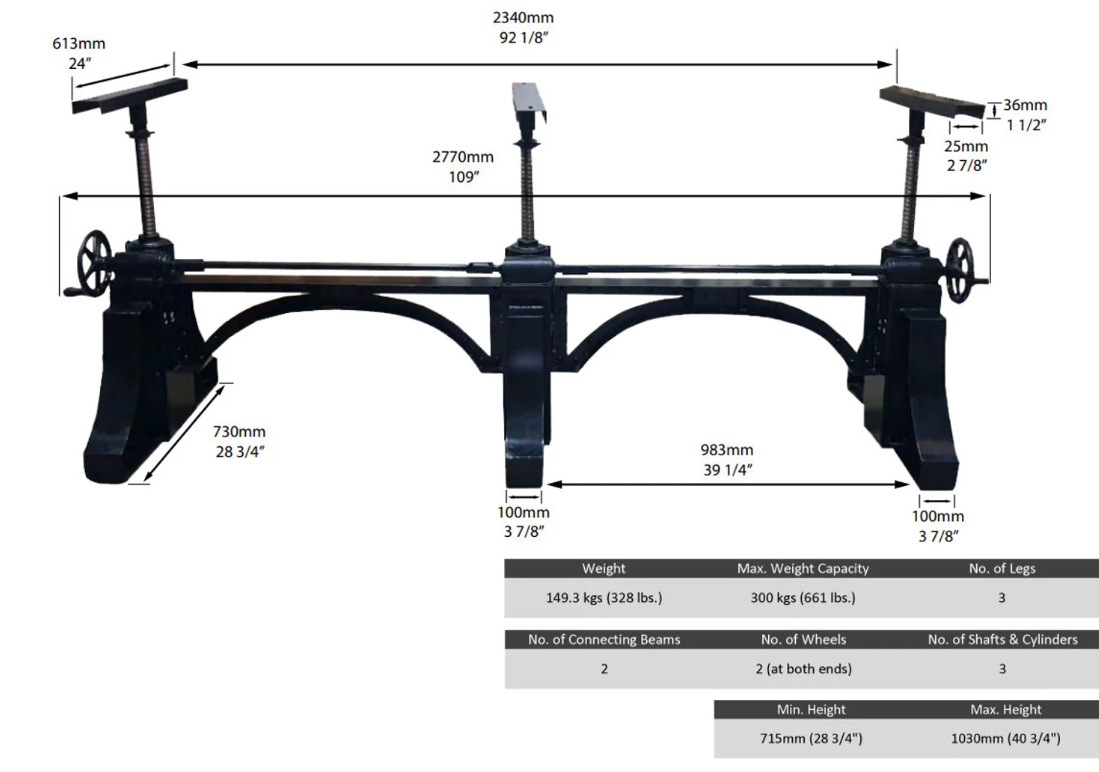
Cast iron tables commercial uses have earned a permanent place in the architecture of everyday spaces—strong, stable, and timeless. From the energy of a bustling café to the precision demands of a metal fabrication shop, and the enduring utility of public buildings, cast iron tables are the foundation—literally—on which work, commerce, and civic life are built. They are not trendy. They are not disposable. They are the quiet, ironclad champions of environments where performance, permanence, and visual integrity matter.
More industries than ever rely on cast iron tables today. The reasons are clear: these tables offer unparalleled durability, rock-solid stability, and design versatility that spans both form and function. Whether you’re specifying furniture for a restaurant, sourcing heavy-duty workstations for industrial operations, or furnishing institutional spaces like libraries and government offices, understanding where and how cast iron tables deliver value is essential.
This guide explores their evolution, their current roles across sectors, and why their unique properties make them indispensable across commercial, industrial, and governmental environments.
Cast Iron Tables Commercial Uses: The Enduring Strength of Cast Iron Tables
A cast iron table is defined by its heavy-duty base or full-body structure made of solid cast iron—an iron-carbon alloy that’s been used in construction and furniture since the 18th century. Its popularity in architecture exploded during the Industrial Revolution, where cast iron framed bridges, buildings, and even elaborate storefronts. Today, its role in furniture, especially tables, persists because the material embodies exactly what modern infrastructure demands: strength, resistance to wear, and timeless visual appeal.
The ability to mold cast iron into complex forms through casting allows for creative design and uniform strength. That manufacturing method, paired with its weight and resistance to warping or weathering, makes it ideal for indoor and outdoor use alike. In other words, the cast iron table is a true multi-environment powerhouse—built to endure, wherever it’s placed.
Cast Iron Tables Commercial Uses
Few places test furniture like the world of commerce. From restaurants to hotels, the daily wear on a table includes food spills, foot traffic, cleaning chemicals, rearrangements, and the occasional elbow lean or toddler tug. Cast iron tables commercial uses pass these tests with confidence.
In restaurants, cafés, and bars, table stability is non-negotiable. A wobbly table can ruin a customer’s experience. Cast iron’s dense weight ensures that the table stays grounded, regardless of whether it’s indoors or on a windy patio. The design flexibility of cast iron also means restaurateurs can match the aesthetic of their space—vintage bistro, modern industrial, or farmhouse rustic—with ease. Whether the goal is clean lines or ornamental flourishes, cast iron table legs and bases can deliver the look without compromising durability.
Hotels and event venues are another arena where cast iron tables shine. These spaces often require furniture that can be easily rearranged for different functions—banquets, meetings, receptions, conferences. With cast iron, even after frequent moves and reconfigurations, the tables retain their structural integrity. The balance of aesthetics and endurance makes cast iron tables an ideal solution for facilities that entertain dozens or hundreds of guests each day.
Retail showrooms and storefronts also benefit from cast iron tables, particularly for product displays or point-of-sale stations. These tables can support heavy merchandise, remain stable through high foot traffic, and create a premium feel that enhances the customer experience. Cast iron tables lend visual confidence—a subtle signal that what’s on display is valuable and deserves attention.
Cast Iron Tables Industrial Uses
If cast iron tables commercial uses test the durability of furniture, industrial settings stress-test it. Factories, workshops, and assembly lines demand more than style—they need structural muscle. And that’s exactly what cast iron delivers.
In welding and metal fabrication shops, cast iron platen tables are the go-to choice. These specialized workstations are prized for their flatness, resistance to heat, and durability under impact. Whether you’re aligning parts, bending metal, or setting up for a weld, a cast iron platen table provides the stable surface you need. The rigidity of cast iron also resists deformation over time, even under constant load—a critical requirement in precision-focused industries.
Manufacturing and assembly lines benefit from cast iron’s ability to support machinery, jigs, and tools without shifting or flexing. Cast iron tables serve as the backbone for countless operations—holding motor assemblies, housing inspection stations, and stabilizing components in process flow environments. Many of these tables are modular, with interchangeable tops, slots, or risers, allowing teams to customize the table to their specific workflow.
Warehousing and logistics centers use cast iron tables for sorting, packing, and labeling. These tables often support heavy materials, are subject to repetitive motion, and require a footprint that doesn’t shift during use. Cast iron excels here not only for its strength, but also for its longevity. One well-constructed table can remain in operation for decades, making it a sound investment in environments where ROI is calculated in throughput and uptime.
Cast Iron Tables in Governmental and Institutional Settings
Government offices, public buildings, and educational institutions need furniture that is as functional as it is dignified. Cast iron tables meet both demands with ease.
In public offices, lobbies, and civic centers, cast iron tables provide a professional and secure presence. Their heavy construction offers peace of mind in environments where theft, tipping hazards, or accidental damage must be minimized. Cast iron’s natural fire resistance makes it suitable for installations with strict safety codes. Its long lifespan and classic styling also make it a smart match for historically preserved architecture or legacy government buildings.
Libraries and educational institutions rely on cast iron tables to handle a steady stream of use. These tables support books, electronics, and research materials, and must be stable enough to resist shifting when leaned on or bumped by students. At the same time, they need to complement the academic or institutional design aesthetic—whether modern, traditional, or collegiate. Cast iron achieves this balance, offering both visual polish and unshakable strength.
In courthouses, municipal chambers, and other formal civic settings, furniture must meet strict compliance standards for accessibility and safety. Cast iron tables provide the durability required for public use while also allowing for designs that meet ADA standards, fire ratings, and anchoring needs. Their weight also makes them less prone to vandalism or accidental displacement—particularly important in high-profile or high-security environments.
Cast Iron Tables Commercial Uses: Specialized and Emerging Applications
As cities, businesses, and institutions innovate, the versatility of cast iron tables commercial uses is meeting new demands in specialized ways.
Outdoor and urban public spaces—such as parks, transit centers, and plazas—are adopting cast iron tables for their weather resistance and permanence. These are not tables you fold up and store. These are permanent fixtures that welcome people every day and hold up against rain, sun, wind, and the occasional skateboard. With thoughtful design, cast iron tables can include integrated elements like planters, benches, bike racks, or even BBQ stations. The adaptability of cast iron casting allows for such creativity while maintaining integrity in open-air environments.
Custom and bespoke cast iron table designs are on the rise as well. In both commercial and industrial sectors, companies are designing tables with built-in power access, USB charging, modular components, or even embedded sensors for asset tracking and workplace optimization. Smart cities and connected buildings are exploring cast iron’s potential to host solar panels or environmental monitors—transforming the humble table into a part of a larger digital ecosystem.
Sustainability initiatives also find cast iron appealing. Because it’s infinitely recyclable and has a significantly longer lifespan than most alternatives, cast iron tables fit perfectly into green building strategies. Their low maintenance requirements reduce the need for chemical cleaners or refinishing, and their sturdy construction means fewer replacements and less landfill waste. Whether repurposed from vintage castings or manufactured using recycled materials, cast iron furniture aligns well with long-term sustainability goals.
Cast Iron Tables Commercial Uses: Benefits That Span All Settings
Across every industry and use case, the reasons for choosing cast iron tables remain consistent. First and foremost, they are durable. Cast iron resists denting, bending, cracking, and corrosion. Properly maintained, it can endure decades of use—indoors or out.
Its stability is equally valuable. The material’s weight means the table won’t shift when someone leans on it or during frequent repositioning. This is especially important in safety-conscious environments like restaurants, schools, and industrial facilities.
Design flexibility is another powerful advantage. With countless configurations—round, rectangular, communal, pedestal, trestle, and more—cast iron can be cast and finished to suit virtually any architectural or interior design. It complements wood, glass, marble, and concrete tops with equal ease.
Maintenance is simple. A damp cloth and occasional dusting are often all that’s needed. Powder-coated finishes protect against rust and fading. And should a base require refinishing, most can be repainted or resurfaced without specialized tools.
Finally, cast iron tables are remarkably cost-effective. While the upfront cost may be higher than lighter, disposable alternatives, the reduced need for replacement, repairs, and maintenance over time results in measurable savings. Over the span of a decade, many organizations find their total cost of ownership for cast iron tables to be significantly lower than expected—especially when durability and safety are factored in.
Cast Iron Tables Commercial UsesFrequently Asked Questions (FAQ)
What makes cast iron tables ideal for commercial use?
Their stability, longevity, and ability to complement a wide range of interior styles make them a natural fit for restaurants, retail, and hospitality settings.
Can cast iron tables be used outdoors?
Yes. When finished with weather-resistant coatings, cast iron tables perform exceptionally well in patios, gardens, and urban public spaces.
How do cast iron tables perform in industrial workshops?
They offer flat, heat-resistant, impact-resistant surfaces perfect for welding, assembly, and manufacturing. Their structural integrity under load is unmatched.
Are cast iron tables suitable for government buildings?
Absolutely. Their fire resistance, visual strength, and compliance potential make them ideal for public offices, courthouses, libraries, and civic centers.
What are the maintenance requirements for cast iron tables?
Minimal. Routine cleaning with a damp cloth and occasional checks for surface wear are typically sufficient. Powder-coated finishes protect against corrosion.
Why Cast Iron Tables Still Matter
In a world increasingly driven by short-term solutions, cast iron tables are built for the long haul. Their weight speaks of permanence. Their durability speaks of trust. And their design adaptability speaks of a material that has never gone out of style—only evolved to meet new needs.
Whether you’re designing a modern café, equipping a heavy-duty manufacturing floor, or furnishing a municipal library that will serve generations, cast iron tables are the foundation you can depend on. Reliable, versatile, and enduring—they’re not just pieces of furniture. They’re infrastructure.
Explore our cast iron table collections or contact our team today for custom recommendations tailored to your industry, space, and specific requirements.
Get In Touch to Learn More About Our Cast Iron Tables
Cast Iron Tables Contact Information

Call us
602.821.7340

Email Us

Store Hours
Monday - Friday
8 AM – 6 PM Eastern

Visit us
53 Old Farm Road
Stowe, VT 05672
Cast Iron Tables
Discover the perfect blend of enduring strength and refined elegance with our cast iron tables. Each piece is meticulously crafted to deliver unmatched durability, ensuring your table stands strong for years to come.
The timeless appeal of cast iron brings a touch of sophistication to any space, while the intricate designs and flawless finishes highlight the artistry behind every table.
Elevate your home or workspace with furniture that not only captivates with its beauty but also promises unwavering quality and resilience.
Store Location
53 Old Farm Road
Stowe, VT 05672
Open Monday - Friday
8 AM - 6 PM Eastern